TIPS & RESOURCES
One Booking Team, Every Location: Centralising Appointment Management Across a Branch Network

Updated: Published:
Centralise appointment management across every branch with TIMIFY Booking Centre. Give booking teams one interface to find, book and manage appointments.


Kimon Gerhard
Junior Business Development Manager at TIMIFY
Start with the customer’s need, not the branch
In many organisations, the same service is offered across several locations. Availability, staff and resources may differ from one branch to another.
Booking Centre uses guided booking flows to help agents move through the relevant steps and consistently select the right location, service, booking channel and resource.
For existing customers, branches where they already have bookings can even be prioritised automatically, helping agents find a familiar or relevant location faster.
The conversation stays focused on the customer:
What do you need, and when would you like to come?
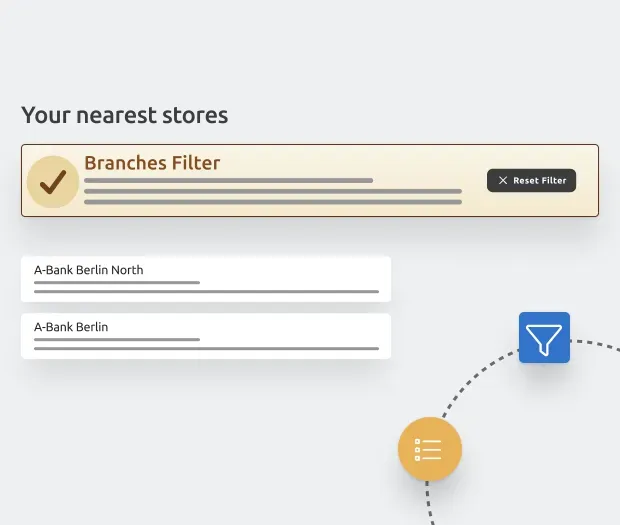
Find the right availability from one interface
Once the service is clear, the agent can search availability across the relevant locations without logging into separate branch accounts.
Booking Centre gives authorised teams access to available time slots while keeping internal branch and employee calendars protected.
The agent can compare suitable options, select the right location and complete the booking during the same interaction.
For the customer, it feels like one organisation. For the booking team, it becomes one connected workflow.
Manage changes from the same place
The customer journey does not end once the booking is created.
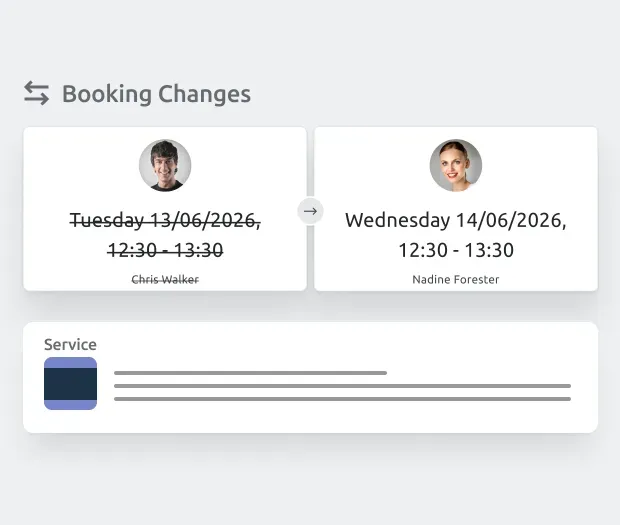
If someone calls back to reschedule or cancel, authorised agents can manage those changes from the same central interface. Changes are reflected across the relevant calendars in real time.
Permissions for booking, rescheduling and cancellation can also be managed separately. This gives organisations precise control over what each team or agent is allowed to do without giving them direct access to internal calendars.

Related articles

Product & Feature
TIMIFY Branch Manager: Centralized Scheduling for Multi-Location Businesses

19 November, 2020

Product & Feature
How TIMIFY Branch Manager Optimizes Appointment Scheduling for Multi-Location Businesses
17 August, 2020

Product & Feature
How TIMIFY simplifies the challenges of scheduling across multiple locations
15 October, 2021