Tips & Resources
Social Media Bookings: A Key Aspect of Social Commerce and Why You Need to Jump Into the Trend

Updated: Published:
Social commerce is a popular shopping trend for 2022- read this guide to learn how it works and why you need to jump into the trend


Nick Shaw
Nick Shaw has been Chief Revenue Officer (CRO) of Brightpearl, the number one retail-focused digital operations platform which encompasses sales and inventory management software, accounting, logistics, CRM, and more.
The digital transformation has seen a steady shift away from traditional brick-and-mortar stores and a rise in online selling.
In 2021 alone, ecommerce sales totaled 4,938 billion U.S. dollars. This is estimated to rise to 7,391 billion U.S. dollars in 2025.
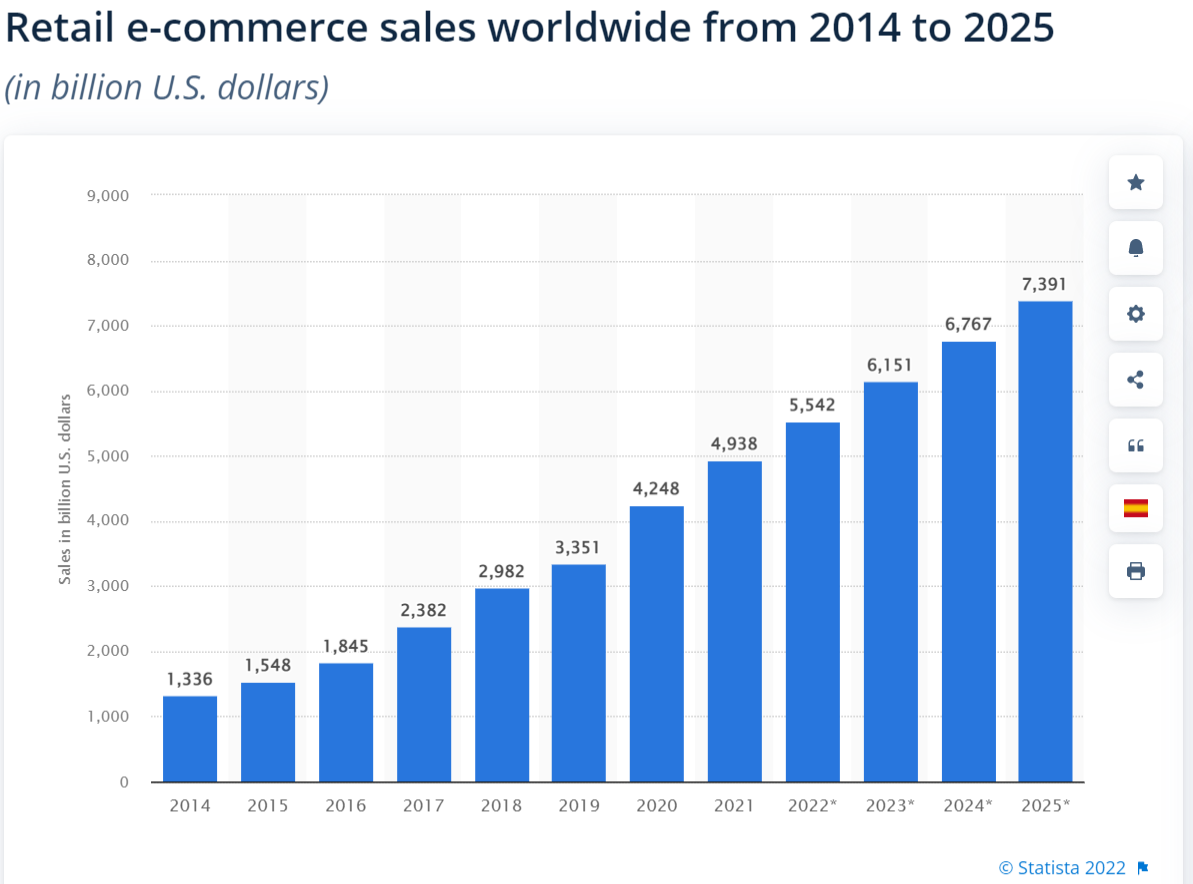
Clearly, the internet has revolutionized the sales landscape and created exciting times for new businesses. But there’s a new sales trend emerging that looks set to boost online markets even more: social commerce.
The global popularity of social media presents a golden opportunity for increasing sales and brand awareness. Social commerce can help increase brand awareness and drive website traffic for any business by leveraging engaging content and targeted strategies across platforms. This can also afford you the chance to raise your personal branding and establish yourself as an expert within your field.
Conducting a competitive analysis is valuable for understanding your industry's landscape and identifying opportunities to outperform competitors. But before you become a social commerce guru, you’ll need to clue yourself up.
If you’ve searched the web for an answer to “What is social commerce?”, read on to find out how it works and why you need to jump into the trend.
How does social commerce work?
There’s a range of platforms available for social commerce, including Facebook, TikTok, Instagram, Twitter, and Pinterest. Each platform comes with its own social commerce capabilities and available plugins, enabling marketing automation.
Your social commerce strategy will depend on the platforms you use. Social media marketing is essential for building brand awareness and engaging customers, but it’s important to focus your efforts on the social media channels that best reach your target audience.
Generally speaking, there are some common social commerce techniques for boosting engagement and conversions depending on the platform you’re using. Let’s take a look.
Influencer videos

Influencers hold enormous pulling power when it comes to showcasing new brands or products on social media. Popular apps like TikTok and Instagram are often used by influencers to connect with audiences and foster engagement.
Influencer videos have high value in an online world where users often scroll through an endless feed of content. Catching a viewer’s attention by displaying an interesting product with the help of a popular influencer should be part of your social commerce strategy.
Linking to products on social media
Whether you’ve decided to post an image, a video, or an advert, inserting clickable links that take users to the next step in the buying journey is crucial.
Perhaps you’ve just posted a marketing video to your Facebook page to show your new software as one of the best Cin7 alternatives. Adding a link to your website for a free trial or more information should be a no-brainer.
You can also direct users to a dedicated booking page where they can accept bookings, make online payments, and view your service menu.
Live shopping
What is social commerce without live shopping?
Live shopping has become a prominent feature of social commerce, with brands and influencers showcasing products in real-time.
These virtual events allow customers to discover and purchase products while engaging with others in live chat.
Businesses can display real-time availability for live sessions or appointments during these events, allowing customers to self-schedule appointments directly.
Crowdfunding
Crowdfunding, or participatory commerce, is an up-and-coming type of social commerce gaining popularity.
Popular websites like Kickstarter let people donate money to support the development of startup businesses and help them build new products.
Crowdfunding offers a unique opportunity for brands to test new product ideas before bringing them to market.
It pays to listen to your customers.
Community shopping / group buying

The idea of group buying is that customers get bigger discounts on products or services when a certain number of people have placed an order.
Deals like these are especially useful in industries such as food and drink, travel, and retail.
The top social commerce platforms
Facebook social commerce
Facebook offers a massive opportunity for social commerce thanks to its 2.91 billion monthly users.
- Handle inventory
- Provide fast checkout
- Manage orders
- Manage finances
- Gain customer insights
- Provide security
- Set up call-to-action buttons
TikTok social commerce
TikTok currently holds the crown for being the most downloaded app and has over one billion active monthly users.
TikTok partnered with ecommerce giant Shopify, making it easier than ever to turn viewers into customers by adding product links and shopping tabs.
Instagram social commerce
Instagram allows brands to tag products directly in photos and videos. Users can view product details or be redirected to external stores.
Instagram’s Discovery tab also helps audiences discover brands organically.
Pinterest social commerce
- Ads feel natural within the platform
- Visual format inspires impulse buying
- Integration with Shopify
- Drives traffic directly to your website
Twitter social commerce
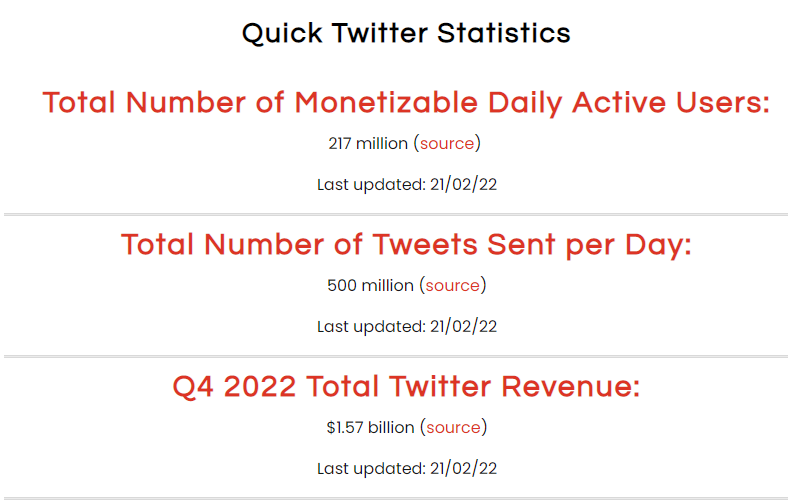
Twitter is a hugely popular micro-blogging platform and an ideal place to promote trending products and campaigns using hashtags and buzzwords.
Users can link directly to product pages or embed campaign videos within tweets.
Why do you need to jump into social commerce now?

Moving forward, online sales via social media will continue to grow in popularity, and it’s no surprise. Here are some of the main benefits of social commerce:
- Boost brand visibility and reputation: social commerce puts your brand in front of more potential customers and offers them a streamlined buying process.
- Make organic conversions: social commerce lets you meet customers where they hang out and provides a more organic buying journey that differs from mass email techniques or cold calling.
- Increase reviews and referrals: as your social content brings new customers to your funnel, social commerce gives them the chance to purchase and leave reviews in one centralized place. As engagement rises, the algorithms on your social media platform will promote your content to even more relevant customers.
- Gain data insights: social commerce connects you directly with customers’ social media profiles for greater insights into who they are and what they need. You’ll be able to make data-driven decisions with this information.

Related articles


Product & Feature
Online Booking System for Facebook and Instagram: Reserve with Meta

06 July, 2022