Black Friday Retail Strategy: How Retailers Turn Traffic into Revenue Without the Chaos

Updated: Published:
Boost your Black Friday sales with these 5 essential retail strategies. Discover actionable tips to maximize your success this shopping season. Read more!

Lukas Alberter
People & Culture Manager at TIMIFY
Black Friday is always intense. Footfall surges, expectations rise, and more customer interaction happens in a very tight window. Most retailers put huge effort into their promotions and campaigns, but the real pressure point usually appears in-store: Crowded spaces, long waits, staff under strain, and customers walking out before they ever reach the checkout.
The brands that consistently come out on top aren’t just the ones offering the biggest discounts. They’re the ones that manage the flow, guiding customers in the right moment, keeping the experience smooth, and maintaining service quality even when the store is at capacity. Black Friday is a critical part of the holiday season and holiday shopping, making preparation and execution even more important. A successful Black Friday requires a solid plan well ahead of the big day.
That’s where TIMIFY makes a tangible difference. We help retailers structure demand, coordinate staff and customer appointments, and create a consistent, managed customer flow, even on the busiest shopping weekend of the year.
Phase 1: Preparation – Structure Your Demand Before It Starts with an Online Booking System
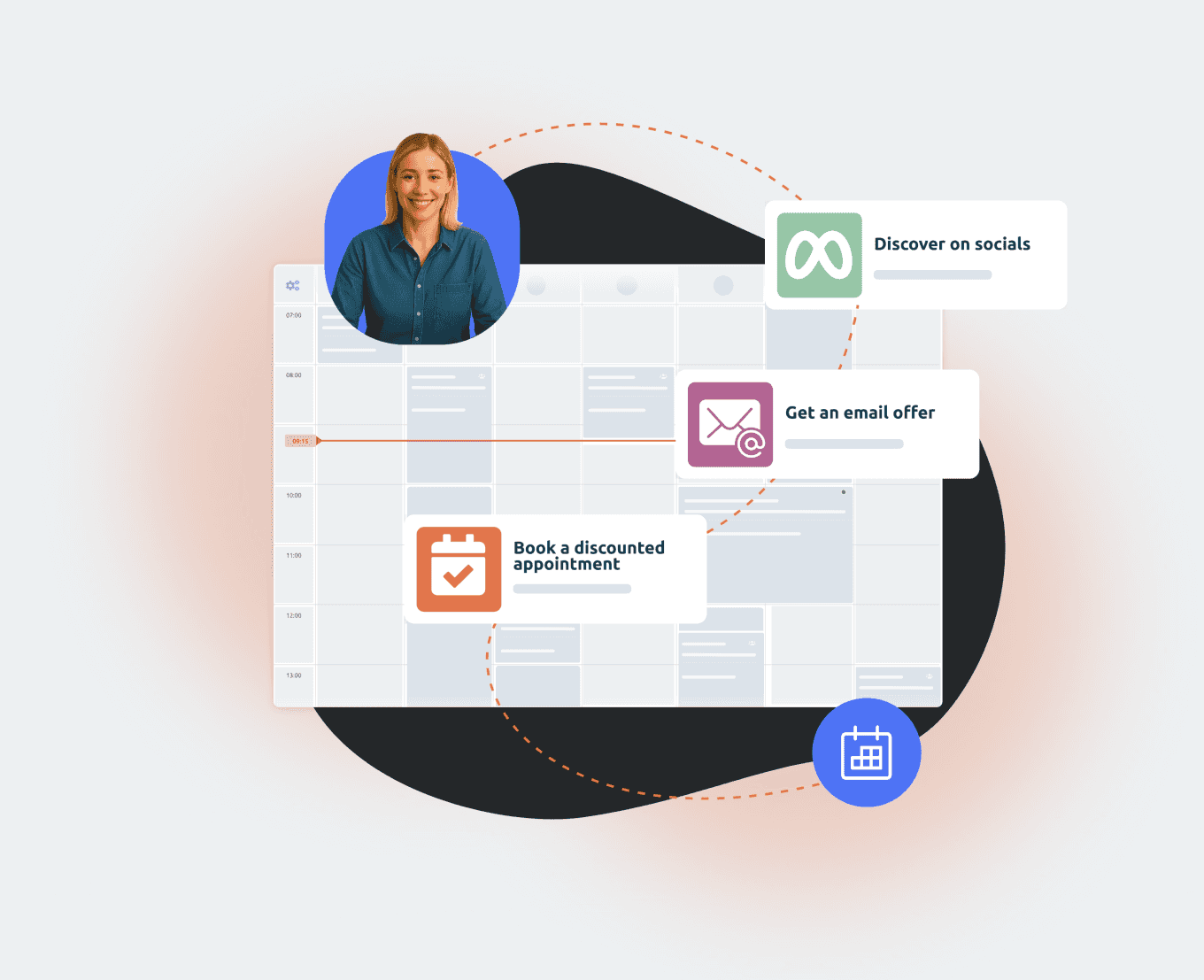
The best Black Friday results start weeks earlier. While marketing teams ramp up paid ads, newsletters, and social campaigns, TIMIFY helps you connect them directly to action — not just awareness.
With TIMIFY Omnichannel Campaigns, you can:
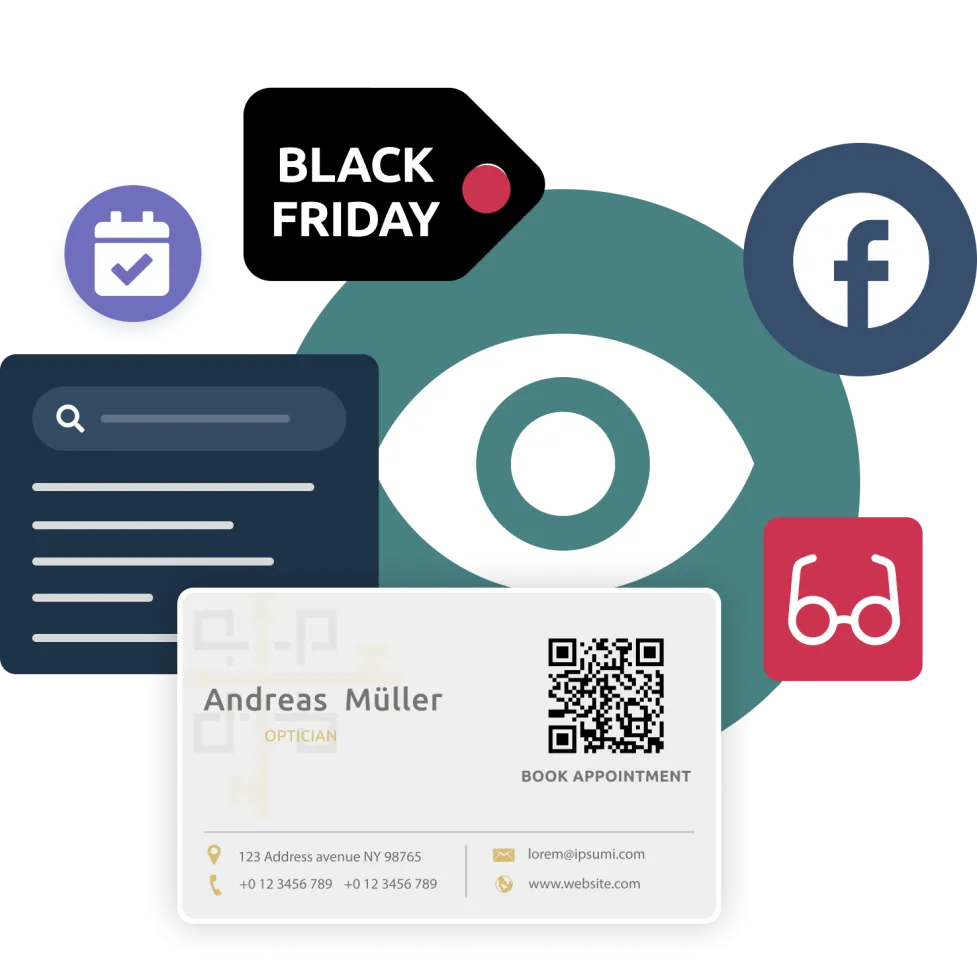
- Embed QR codes and booking links in every Black Friday campaign — social, email, print, or in-store.
- Let customers book early access slots, product consultations, or exclusive time windows — spreading demand more evenly across the day or week.
- Use Smart Links to track campaign performance and identify which channels drive the most high-value appointments.
In addition, TIMIFY Offers allows retailers to create targeted voucher and discount campaigns directly linked to services or appointment types.
You can:
- Provide exclusive early-bird offers for loyal customers,
- Launch limited-time Black Friday vouchers, or
- Combine bookings with time-bound discounts that automatically expire once the campaign window closes.
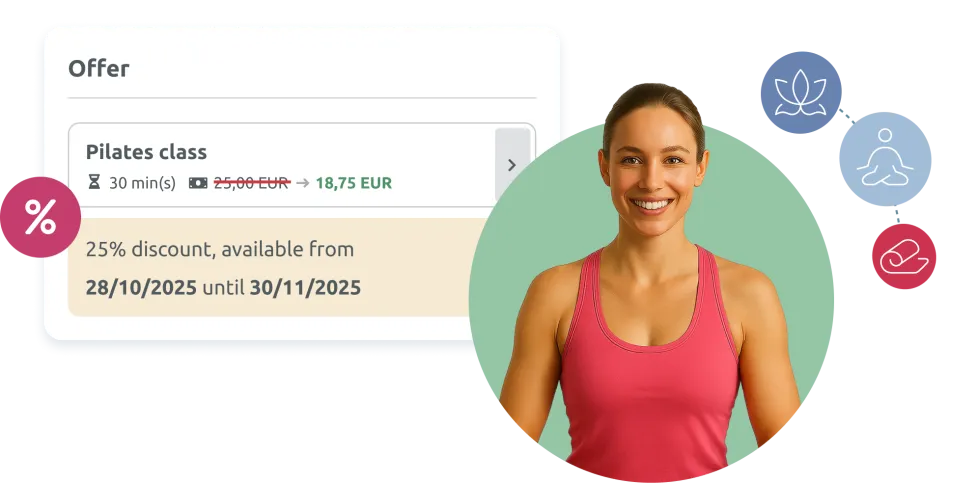
This turns your promotions into measurable engagement — customers don’t just see your offer, they act on it by booking immediately. Instead of unpredictable walk-ins and overcrowded peaks, you start Black Friday with scheduled demand, clear resource planning, and predictable traffic flow.
Structured pricing strategies can help maximize the impact of early-bird offers and promotions, ensuring your deals are both attractive and profitable.
Phase 2: The Challenge – Unmanaged Demand Means Lost Revenue
When store traffic grows faster than your team and processes can handle, the impact is felt immediately:
- Customers walk away because the wait feels too long
- Staff get stretched, and the service experience becomes inconsistent
- High-value sales slip through because consultations are rushed or skipped
- The overall brand impression takes a hit right at the moment when visibility is highest
- Last minute changes and scheduling conflicts can disrupt service quality and staff efficiency
The core problem isn’t demand. The demand is there. The issue is the lack of structured workflows to channel and manage that demand in a controlled way. Managing demand effectively requires the right tools and strategies to ensure staff schedules, order integrations, and storage are optimized and errors are minimized.
Phase 3: Execution – The TIMIFY Workflow in Action for a successful black friday
A successful Black Friday doesn’t happen by chance. It’s the result of a connected workflow — from marketing activation to customer visit and follow-up. TIMIFY ensures the whole team is aligned and informed throughout the Black Friday workflow, promoting transparency and efficiency.
Here’s how TIMIFY keeps every stage under control:
1. Campaign Activation → Appointment Booking
Customers scan a QR code or click a campaign link and instantly book via the retailer's website or web-based booking system:
- a consultation,
- an early-access slot, or
- a store visit within defined time windows.
This immediately turns campaign engagement into a committed visit.
2. Appointment Scheduling → Resource Planning
TIMIFY automatically distributes appointments based on:
- staff availability and skill,
- service duration, and
- expected store capacity.
Teams know exactly when and where to be — no guesswork, no chaos.
3. Customer Arrival in store→ Staff Preparation via Agenda
View
When the customer arrives, the store staff is already prepared.
Via the TIMIFY Agenda View, employees can instantly see:
- which customer is coming and when,
- how often they have booked before,
- which service or product area they’re interested in,
- any additional data collected during booking (e.g. preferences, project details, or budget range), and
This allows staff to personalise the interaction from the very first moment, making consultations smoother, faster, and more relevant — even during the busiest hours. This level of preparation leads to higher customer satisfaction and encourages repeat clients.
4. Managing Full Capacity → Waitlist & Early Slot Features
When your booking calendar reaches capacity, TIMIFY helps you keep demand moving — not turning it away.
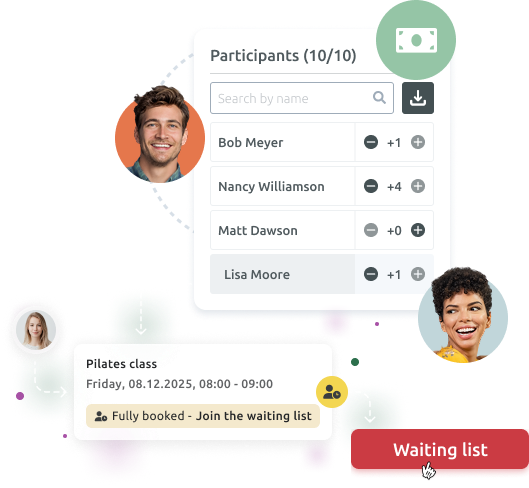
With the TIMIFY Assistant Early Slot Waitlist, customers can register interest for earlier times and are automatically notified when new slots become available. The system can also accommodate last minute cancellations or changes by instantly notifying waiting customers, ensuring no opportunity is missed.
The waitlist feature supports different types of appointments and group bookings, making it flexible for various services or events. For events or services with limited capacity, the Group Waiting List ensures that no customer opportunity is lost — customers simply join a queue and get an instant update when spaces free up.
This keeps engagement high, even when your store is fully booked.
5. Post-Event → Automated Follow-Up
Once the rush is over, TIMIFY automatically sends:
- thank-you messages,
- feedback surveys, and
- tailored offers to re-engage Black Friday visitors.
The workflow closes where it began — turning one-time visitors into long-term customers and helping teams learn what worked best for the next peak period.
Conclusion
Black Friday will always bring a surge in demand but it doesn’t have to feel chaotic. Maintaining focus is crucial for businesses during Black Friday to ensure effective decision-making and performance optimization. With the right scheduling and resource planning in place, both retail businesses and small businesses can support their teams, deliver a smoother customer experience, and convert high traffic into a predictable, profitable workflow and business value.
If you’re starting to shape your Black Friday strategy now, this is the right moment to put structure into the customer journey. From campaign to checkout, TIMIFY helps retailers, small businesses, and other businesses plan smarter, deliver better service, and convert more customers — without losing control.

Related articles

Tips & Resources
5 Data Integration Methods to Streamline Black Friday Operations

28 November, 2024
Tips & Resources
5 Data Integration Methods to Streamline Black Friday Operations
28 November, 2024
Tips & Resources
5 Data Integration Methods to Streamline Black Friday Operations
28 November, 2024