Resource Category Prioritisation: Take Control of How Your Services Are Delivered

Updated: Published:
See how TIMIFY helps multi-resource teams assign services to the right resource category for more consistent and structured service delivery.


Konstantin Belev
CRM Manager at TIMIFY
Who is this feature designed for?
Resource Category Prioritisation is designed for businesses with multiple resources organised into categories. It is not intended for single-person operations or simple setups with only one available resource.
The feature is most relevant for organisations where:
- different roles or skill levels exist
- resources are grouped into categories such as junior and senior staff, rooms, or equipment
- consistent service delivery across teams or locations is important
This typically includes multi-location businesses, franchises, and enterprise organisations that manage services centrally. In these environments, assigning the right category of resource is part of maintaining quality and efficiency.

Where Resource Category Prioritisation makes the biggest impact

The need for prioritised resource allocation appears across a wide range of industries, especially where expertise, efficiency, or resource type directly influence the outcome of a service.
In the hair and beauty industry, for example, it is common for trainees to handle preparatory tasks such as washing hair, while experienced stylists focus on cutting and colouring. Without prioritisation, these roles can easily become blurred, leading to inefficient use of highly skilled staff.
In education and training environments, the challenge often lies in structuring learning journeys. A training programme might start with beginner-level sessions led by one instructor and progress to advanced modules delivered by another. Resource Category Prioritisation ensures that each stage is handled by the appropriate expert without manual coordination.
Healthcare providers face a similar challenge, where different levels of medical staff or specialised equipment are required depending on the service. Assigning these resources correctly is critical not only for efficiency but also for quality of care.
The same logic applies in corporate consulting, fitness coaching, and technical service industries. Whether it is assigning junior consultants to initial assessments or ensuring that specialised technicians handle complex jobs, the ability to control resource allocation becomes a key operational advantage.
At its core, Resource Category Prioritisation allows businesses to define how resources are selected when multiple eligible options are available for a service. Instead of leaving this decision to chance or manual intervention, the system follows clearly defined rules that align with your operational strategy.
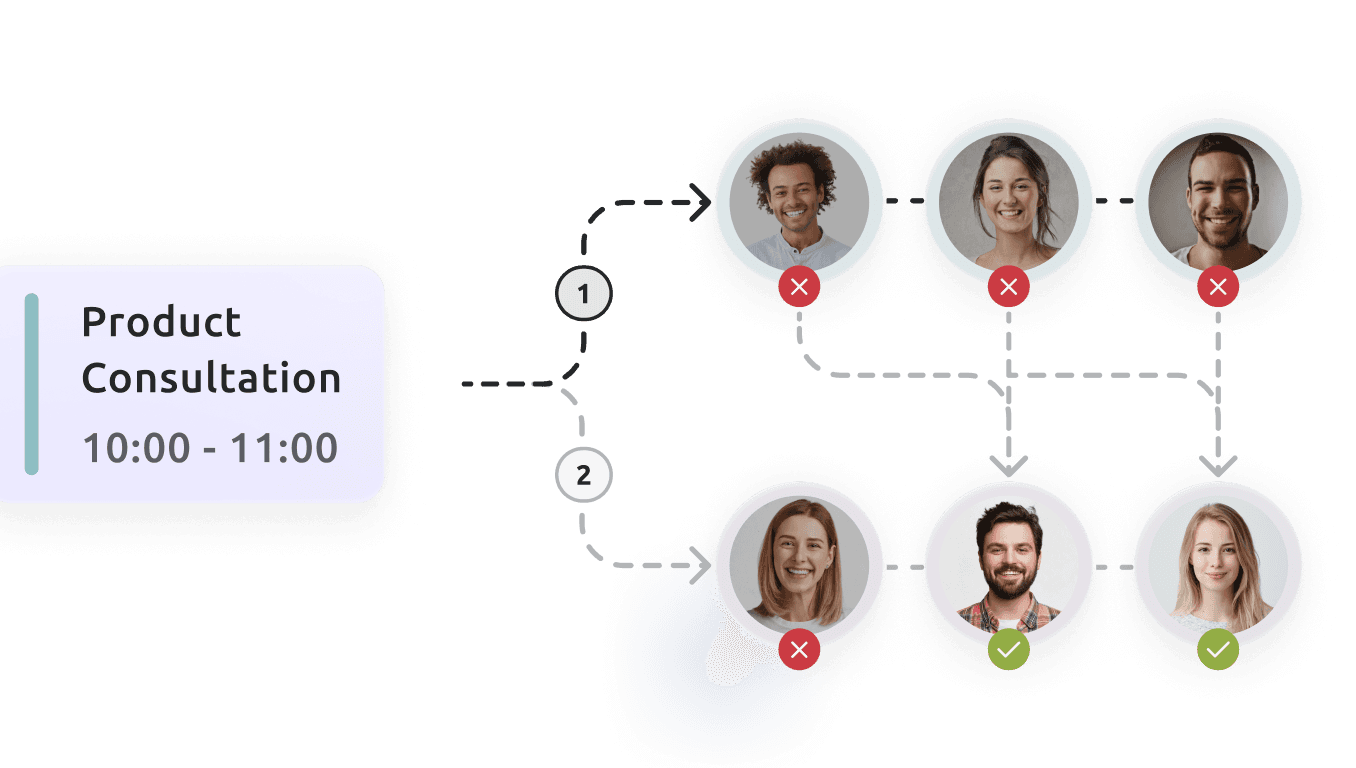
Category-based logic, not individual selection
A key aspect of Resource Category Prioritisation is that it operates strictly at the category level, not at the level of individual resources.
This means you are not assigning specific employees or assets, but rather defining how groups of resources are prioritised. The system then selects an available resource within the chosen category based on the configured booking logic.
This approach makes the feature scalable and suitable for businesses with multiple resources across different roles or locations.
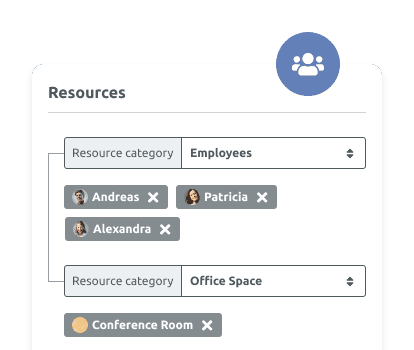

Related articles

Tips & Resources
Resource Management: What It Is & 7 Reasons It’s Important

19 August, 2022

Tips & Resources
A Guide to Production Performance and Resource Optimization

26 March, 2024

Product & Feature
How TIMIFY digitises resource management while enhancing customer experience

18 November, 2021